The department makes reasonable use of cutting-edge technology, integrates the advantages of the entire hospital, and provides systematic and high-quality medical monitoring and treatment methods for critically ill patients. By utilizing advanced diagnostic, testing, monitoring, and treatment equipment and technologies, continuous and dynamic observation of the condition is carried out, and various effective intervention measures are taken to provide comprehensive, standardized, and effective life support for critically ill patients.
treatment program
Continuous renal replacement therapy (CRRT): Our department has been using CRRT treatment technology since 2010. After ten years of development, CRRT has become a routine treatment technique in our department. It is proficiently applied in the treatment of severe acute kidney failure, severe sepsis and septic shock, severe acute pancreatitis, acute respiratory distress syndrome, multiple organ dysfunction syndrome, liver dysfunction, myasthenia gravis, Guillain Barr é syndrome, severe internal environment disorders, etc., greatly improving the success rate of rescuing critically ill patients in our department;
Transcutaneous minimally invasive tracheotomy: Compared with traditional tracheotomy, the advantages of percutaneous minimally invasive tracheotomy are simple operation, minimal trauma, beautiful surgical incision, no need for suturing, less intraoperative bleeding, shorter wound healing time, fewer skin scars, shorter surgical time, and fewer complications;
Electronic bronchoscopy examination and treatment;
Invasive hemodynamic monitoring;
ARDS prone position ventilation.
Diagnostic and therapeutic techniques
The ICU ward mainly admits patients 1.with severe trauma, major surgery, and continuous monitoring and support of vital indicators; 2、 Individuals requiring cardiopulmonary resuscitation; 3、 Individuals with organ failure (including heart, brain, lung, liver, kidney, etc.) or multiple organ failure; 4、 Patients with severe shock, sepsis, and poisoning; 5、 Other acute failure patients who are expected to recover from various system and organ dysfunction after short-term intensive treatment.
Treatment of critically ill patients
The department extensively carries out techniques such as tracheal intubation, cardiopulmonary resuscitation, defibrillation, minimally invasive percutaneous tracheotomy, mechanical ventilation, continuous renal replacement therapy (CRRT), plasma exchange, and aortic balloon counterpulsation; Successfully treated a large number of critically ill patients, including cardiac arrest, myocardial infarction, hypertensive crisis, cerebral hemorrhage, cerebral infarction, respiratory failure, severe pneumonia, multiple injuries, obstetric hemorrhage, shock, poisoning, coma, etc; It has played a supporting role in the treatment of critically ill patients in all departments of the hospital.
The medical staff in the intensive care unit are accustomed to life and death, and due to their special job positions, the vast majority of patients they treat are racing against time and wrestling with death. It is precisely because they have to deal with the death of illness every day that all medical staff in the intensive care unit value the lives of patients even more. They have been using their exquisite medical skills and selfless love to build a fortress of life for those patients who are in critical condition, and to guard the last "bottom line" of patients.
Build a fortress of life for patients
#Ventilator#
Essential guarantee for respiratory support
The lung is an important organ for the human body to absorb oxygen and expel carbon dioxide. Central or pulmonary dysfunction, namely respiratory failure, may result in hypoxemia and carbon dioxide retention due to various reasons, which may endanger life in serious cases.
At present, ventilators have become an important rescue tool for emergency treatment, cardiopulmonary resuscitation, and critically ill patients. As an artificial replacement for lung ventilation and a means of improving lung function, ventilators play an important role in preventing and treating respiratory failure, saving or delaying patients' lives.
Our intensive care department currently has 15 ventilators, including the Swiss Raphael ventilator, the American Twist 360 ventilator, and the American Medtronic Bp840 ventilator.
Under the leadership of Director Bi Yao, the Intensive Care Medicine Department provides emergency treatment for various critically ill patients, such as respiratory and cardiac arrest, cardiopulmonary resuscitation, pulmonary heart disease, respiratory failure, pulmonary encephalopathy, critical asthma, and severe pneumonia ARDS、 In the rescue treatment of acute myocardial infarction combined with respiratory failure and heart failure, ventilators play a very important role. The support of a ventilator or not becomes the key to reviving patients.
A ventilator is more like a companion, helping people breathe when they have difficulty breathing, giving doctors enough time to treat damaged organs. With the help of a ventilator, more and more patients are turning danger into safety. Ventilators have become an essential guarantee for respiratory support!



 Hospital profile
 Department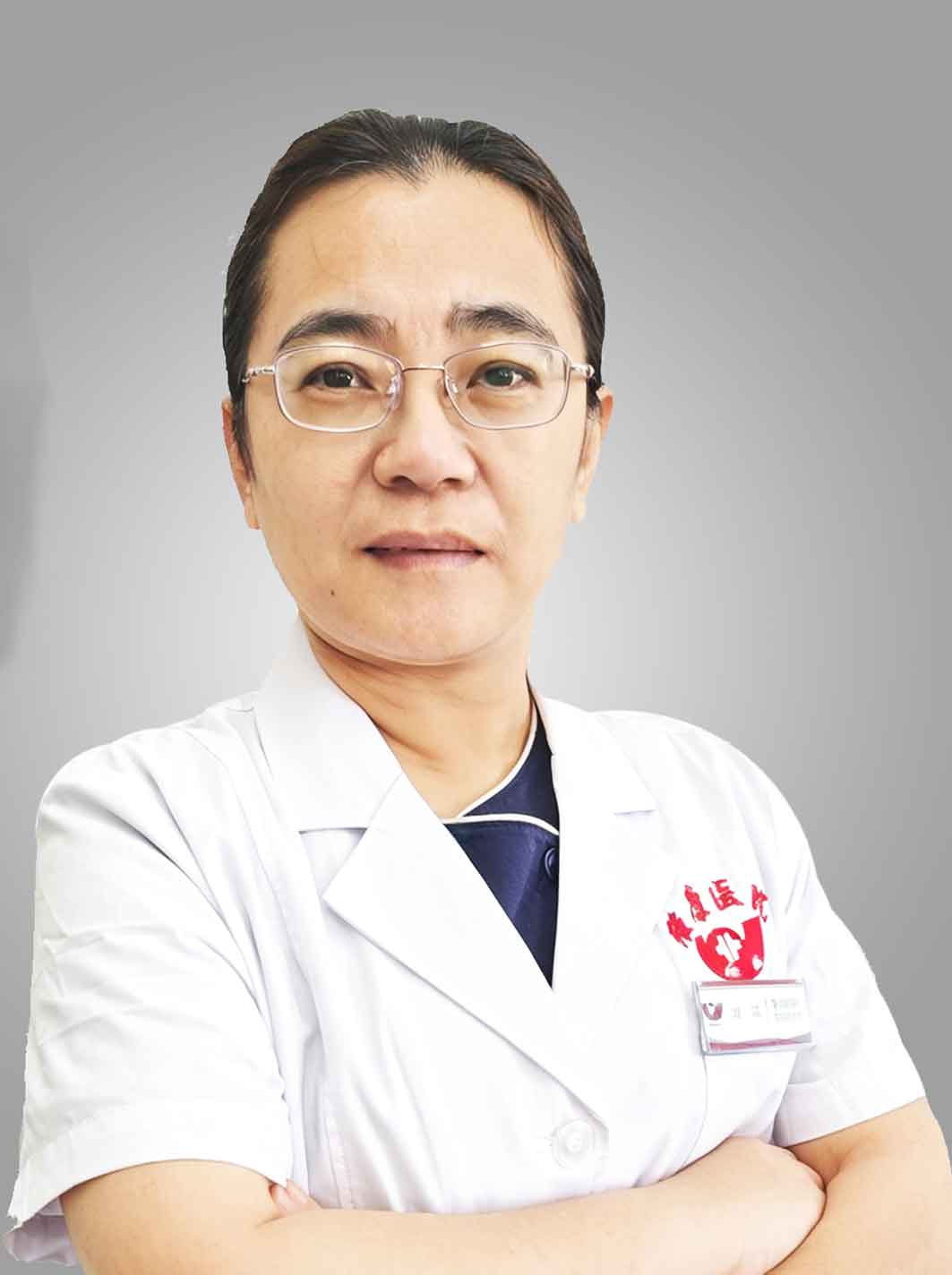


 Register
  WeChat
 Microblog
  Tiktok
 Top
Top