Weikang Department | Electric Diagnosis Department: A "Reconnaissance Company" to Safeguard Health
Weikang Department: Shenyang Weikang Hospital integrates high-quality medical resources, creates key characteristic department brands, and benefits the health of the people. Weikang Hospital is committed to creating a special department promotion column. This issue of "Weikang Department" takes you into the electronic consultation department of Weikang Hospital, providing detailed guidance for rational medical treatment.
The Electronic Diagnosis Department of Shenyang Weikang Hospital was established at the beginning of its establishment. After years of unremitting efforts by all staff, it has achieved great results in the comprehensive construction of the department from scratch and from small to large. It is an excellent department with steadily improving technical level since the establishment of the hospital and has been commended as an advanced department by the hospital for many consecutive years.
Powerful medical resources?
The department staff have a strong sense of responsibility and high professional technical level, with strict management and standardized technical operations. The department has more than 30 advanced diagnostic equipment at home and abroad, with a total value of nearly 10 million yuan.
Advanced equipment in the electrical diagnosis department
After nearly 10 years of development and construction, the Electric Diagnosis Department has become one of the important medical technology departments in hospitals, responsible for the diagnosis and examination of patients in various clinical departments, outpatient departments, emergency departments, such as ultrasound, electrocardiogram, electroencephalogram, etc.
A comprehensive diagnosis and treatment program?
▲ Four dimensional ultrasound prenatal examination:
Ultrasound examination is a non-invasive, simple, and reproducible technique, which is currently one of the important means for detecting and diagnosing various congenital malformations in fetuses. As a prenatal screening, it is indispensable. Four dimensional color ultrasound has high-definition intrauterine image quality, and can provide more systematic, accurate, and objective real-time dynamic display.
▲ Color Doppler ultrasound examination:
The diagnosis of peripheral vascular diseases, especially atherosclerosis, occlusion with thrombosis, acute limb vein thrombosis, and acute limb artery thrombosis, has achieved early detection and timely treatment. Diagnosing congenital heart disease in newborns achieves early detection and treatment of congenital heart disease.
▲ Intraluminal ultrasound examination:
For patients who have difficulty holding urine or are dissatisfied with the results of abdominal examination and unwilling to hold urine, intracavitary ultrasound is the best choice. This examination method is equivalent to magnifying the image of the uterine adnexa through transabdominal ultrasound several times, which can more clearly observe the lesions of tissues such as endometrium, muscle wall, cervix, and ovary. It is currently the preferred examination method for diagnosing uterine and ovarian diseases.
▲ Pelvic floor ultrasound examination:
Pelvic floor ultrasound is widely used in the diagnosis, prenatal and postpartum follow-up, pelvic floor rehabilitation training guidance, comparison before and after FPFD surgery, follow-up, and evaluation of implanted materials for female stress urinary incontinence, pelvic floor organ prolapse, constipation, fecal incontinence, and other diseases. Pelvic floor ultrasound examination can detect and diagnose pelvic floor functional disorders early, and restore the function of pelvic floor support structures through physical therapy before clinical symptoms appear or when symptoms are mild, avoiding or delaying surgical treatment.
▲ 24-hour dynamic electrocardiogram:
Dynamic electrocardiogram, also known as 24-hour Hotler monitoring. It can record all 24-hour electrocardiogram information of patients at once, providing reliable diagnostic basis for clinical diagnosis and treatment.
▲ EEG topographic map:
The electroencephalogram room uses an electroencephalograph to amplify and record the weak bioelectricity of the brain itself into a curve graph, which is a modern auxiliary examination method for diagnosing diseases. It has no trauma to the examinee. Mainly used for the examination of intracranial organic lesions such as epilepsy, encephalitis, cerebrovascular diseases, and intracranial space occupying lesions.
▲ Ablation technique:
The Department of Electrical Diagnosis has developed ablation techniques, such as chemical ablation and thermal ablation, for solid tumors such as liver, kidney, thyroid, and cystic tumors. Bringing minimally invasive and precise treatment methods to patients with related diseases.
Is the road of medicine long and arduous?
>>>>Electric consultation department opens a new era
On January 15th, under ultrasound guidance, Director Xiang successfully performed a biopsy of lung tumors in patients undergoing cardiothoracic surgery using a puncture biopsy gun. Tumor tissue was extracted for pathological examination. The development of this new project has opened up a new way for cancer patients to determine cell types and opened up a new pathological examination technology in the Department of Electronic Diagnosis at Shenyang Weikang Hospital, bringing good news for patients to receive timely and accurate diagnosis and treatment.
Regarding the question of "What tumors can be diagnosed by puncture?" Director Xiang introduced that puncture biopsy technology is suitable for various solid tumors, including lung tumors, bone and soft tissue tumors, stomach tumors, kidney tumors, liver tumors, etc.
On the same day, Director Xiang successfully performed gallbladder puncture catheterization for critically ill patients in the ICU, with precise and beautiful techniques, bringing good news to the vast number of patients. Director Xiang introduced that gallbladder puncture catheterization drainage (PTGD) is a simple, effective, minimally invasive, and economical gallbladder or biliary drainage technique that requires ultrasound guidance and high technical requirements for operation. Gallbladder puncture tube drainage surgery is a relatively safe and effective minimally invasive treatment method with good therapeutic effects. It is an effective treatment measure for acute, critical, and severe biliary diseases, especially for patients who are not suitable for general surgery. The successful implementation of this technology marks another major breakthrough in the treatment of biliary system diseases in our hospital, filling the gap in our hospital's "gallbladder puncture catheterization and bile duct puncture catheterization drainage" procedures.
Director Xiang, who strives for excellence in technology, is passionate about patients, diligent and selfless, has not only won the reputation of patients, but also gained recognition from all sectors of society.
>>>>The first case of thyroid fine needle puncture in Weikang Hospital
Director Xiang introduced that fine needle aspiration biopsy (FNAB), in short, is a diagnostic method that uses a very thin needle (22-25G) under ultrasound guidance to enter the thyroid nodule lesion, extract some cells, and distinguish whether the nodule is benign or malignant under a microscope.
On January 19th, Director Xiang performed the first thyroid fine needle biopsy for a patient at the Department of Electrical Diagnosis at Weikang Hospital. Atypical proliferative cells were detected in the membrane based liquid based thin layer cell test, which did not exclude papillary thyroid cancer. The Department of Electrical Diagnosis and Pathology at Weikang Hospital collaborated to benefit the patient. The patient's puncture biopsy wound is only the size of a needle eye, and only one band aid is needed for wound dressing.
Based on the puncture results, patients can reduce unnecessary thyroid nodule surgeries, and doctors can determine appropriate surgical plans, providing a more reasonable diagnosis and treatment plan for thyroid disease patients.
The Electronic Diagnosis Department of Shenyang Weikang Hospital is such a dynamic and skilled ultrasound professional team. They are the "eyes" of clinical doctors and the "scouts" in clinical practice. They are good at identifying the "suspicious points" in ultrasound imaging for diagnosis, using their detectors to "capture" the clues on the instrument screen, providing strong reference for clinical practice with their business capabilities, and guarding the safety of patients with responsibility and dedication.



 Hospital profile
 Department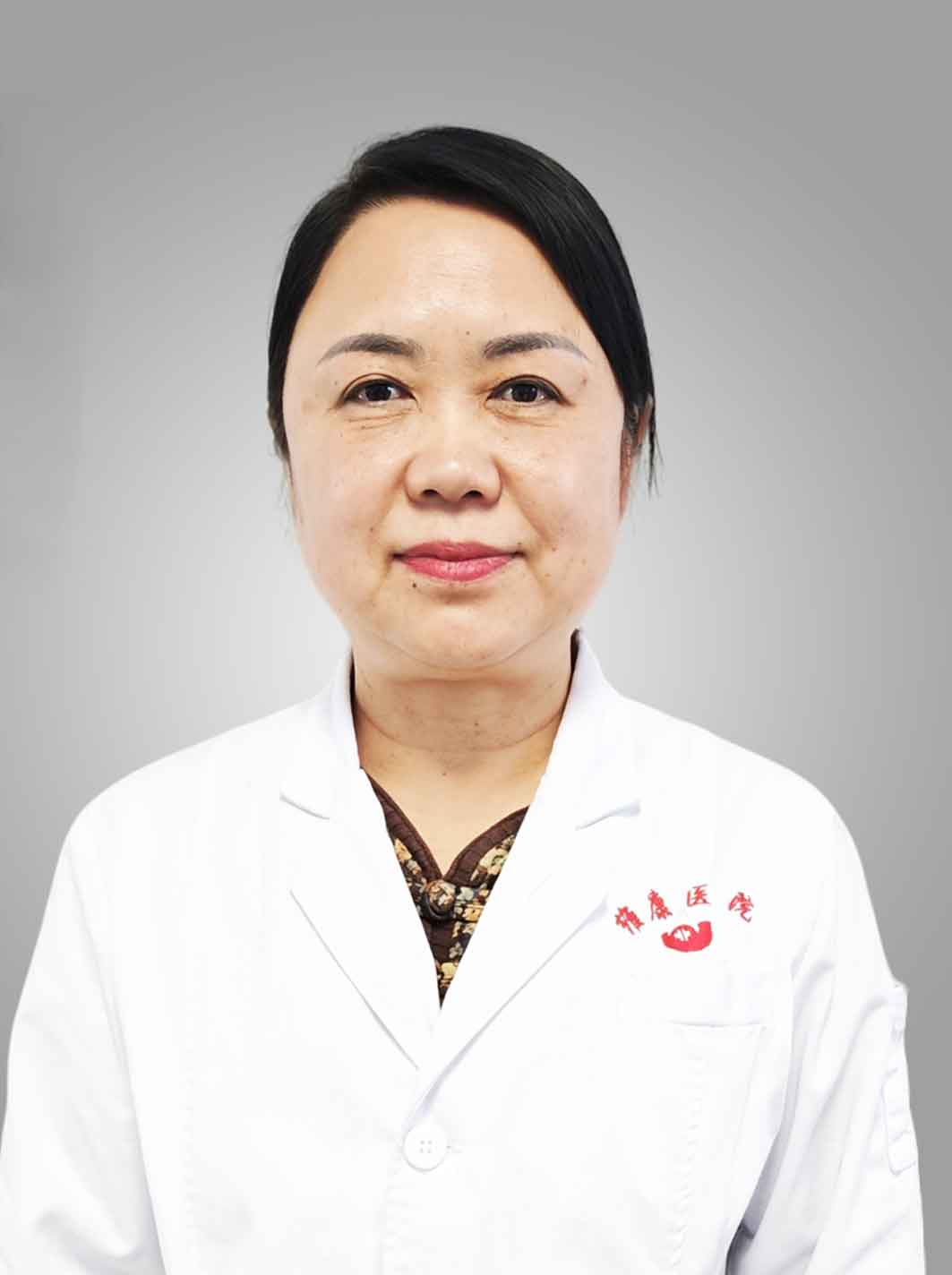


 Register
  WeChat
 Microblog
  Tiktok
 Top
Top